Blog

The Impact of Soil pH on Septic System Functionality

The Impact of Soil pH on Septic System Functionality

It’s common knowledge that septic systems are installed at rural and suburban properties because they can treat and dispose of residential wastewater onsite. What you might not realize is that their effectiveness significantly depends on nearby soil conditions, including pH levels. If you own a septic system, its surrounding soil pH levels are vital. Soil pH levels influence the terrain’s ability around your septic tank to break down waste materials and the potential for environmental contamination. Let’s explore how your soil’s pH levels impact your septic system’s performance. What Is Soil pH? Soil pH indicates the acidity or alkalinity levels of a specified terrain sample. These measurements are expressed on a 0- to 14-point scale while calculating the hydrogen ion concentration within a given soil sample. Soil pH levels below 7 indicate acidic soil and readings of 7 or higher are alkaline. Measurements of 7, the middle of the scale, are pH neutral. This reading is ideal for giving you the most biologically productive soil. A balanced pH level is crucial because it impacts soil performance. Acidic conditions enhance the solubility of the toxic elements in your soil, such as aluminum and manganese. Both can potentially harm plant roots and

Read More »
Septic Tank Risers: What Are They and Do You Need One?

Septic Tank Risers: What Are They and Do You Need One?

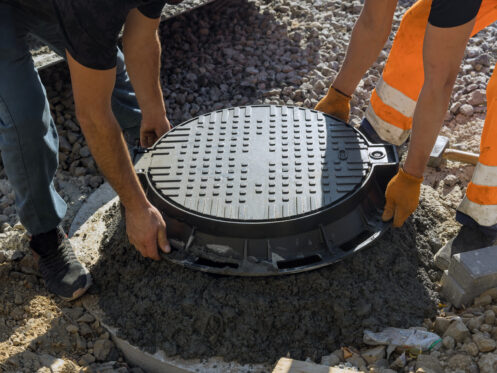
When it comes to maintaining your septic system in Nampa, ID, the significance of septic tank risers cannot be overstated. Septic tank risers extend from the top of your septic tank to the ground surface, providing easy access for inspections and repairs. Without a riser, accessing your septic tank would require extensive digging, which can be both time-consuming and costly. By installing a quality septic tank riser, you not only protect your septic system from potential damage but also make routine maintenance simpler and more efficient. Septic Tank Riser Materials Before installing a new septic tank riser at your Nampa home, it is crucial to understand how different materials will affect the riser’s functionality. While searching the market, you can find plastic, concrete, and fiberglass septic tank risers for sale. Plastic Plastic septic tank risers are the most affordable option, which makes them a popular choice among Idaho homeowners. Alongside their affordability, they offer advantages like lightweight construction and ease of installation. For those prioritizing corrosion resistance, plastic risers are a smart investment thanks to their superior capabilities in this regard. While plastic risers may not match the durability of concrete ones, they are often more readily available in the

Read More »

The Importance of Emergency Shut-Off Valves

Emergencies can occur at any time in your home or business. Emergency shut-off valves can help prevent accidents from happening in any setting. They serve as a safeguard against potential disasters by cutting off the flow of potentially dangerous substances in emergencies. How an Emergency Shut-off Valve Works Industrial activities can involve corrosive chemicals, extreme temperatures, and high-pressure conditions that may seem more than the valve can handle. However, shut-off valves are made from materials like stainless steel, which ensure they can withstand such harsh environments. This enhanced durability reduces the risk of system failure and ensures reliable operation in the event of an emergency. When an emergency triggers the shut-off valve, it quickly closes to prevent the continued flow of the fluid it controls. For example, in an oil factory, the valve shuts down the flow of oil in case of a leak or spill. These valves are placed strategically for easy access. Types of Emergency Shut-off Valves Emergency shut-off valves come in different types, each designed for specific operating conditions. For example, manual shut-off valves are reliable but require human intervention to activate. Other types, including remote valves, can be controlled from a distance using a remote-control device.

Read More »
The Role of Effluent Filters in Septic Systems

The Role of Effluent Filters in Septic Systems

As a Nampa, ID, homeowner, you probably don’t think about your septic system often, and you’re even less likely to know the value of a reliable effluent filter. This component is crucial for ensuring safe wastewater disposal. As simple as the device is, it is paramount for keeping your septic system running as it should. It doesn’t matter if you’re installing a new system or maintaining an existing one, a reliable effluent filter is a must. With this mentioned, our team at has compiled the top 10 reasons why every septic system owner in Nampa needs a robust and well-functioning effluent filter. 1. Prevents Septic System Clogs and Backups An effluent filter’s primary purpose is to keep solids from entering your system’s outlet pipe. Without this filter, larger particles can leave the tank and block the distribution lines emptying into your drain field. Clogs will disrupt the flow within the system while bringing unpleasant backups into your property. These incidents often require emergency attention. What’s more, they can be costly to resolve. These filters capture solids before they escape your tank. They also help maintain a clear pathway for liquid waste, ensuring your system operates as intended while preventing inconvenient

Read More »

Septic System Zoning Laws and What They Mean for You

Septic system zoning laws in Idaho play a critical role in regulating the installation, maintenance and operation of septic systems across the state. The purpose of these regulations is to control different parts of septic system construction and use in order to safeguard public health and the environment. Understanding Septic System Zoning Laws in Idaho Zoning regulations aim to prevent overcrowding, contamination of water sources, soil erosion and other potential environmental hazards associated with septic systems. Lot size and density zoning laws dictate the minimum size of lots required for septic system installation and the maximum number of dwellings allowed per acre. Setback requirements mandate the distance that septic systems must sit from water bodies such as lakes, rivers and streams, as well as property lines, buildings and wells, to prevent contamination. Soil and terrain considerations focus on the suitability of the soil for wastewater absorption and drainage, taking into account factors such as soil permeability, depth to bedrock and groundwater levels. Regulations for installation and maintenance outline specific requirements for the design, construction and upkeep of septic systems, including tank sizing, distribution methods and periodic inspections. Zoning laws governing septic systems may vary between urban and rural areas in

Read More »
How to Identify Septic System Scams

The Benefits of Septic System Aeration

Are you thinking about installing an aeration system for your septic tank? These systems offer excellent wastewater management solutions for both residential and commercial properties in Nampa, ID, thanks to their ability to handle wastewater of various volumes. How Septic System Aeration Works Septic system aeration is a process that involves introducing oxygen into the wastewater to facilitate the breakdown of organic matter. In traditional septic systems, anaerobic bacteria decompose waste in the absence of oxygen, leading to the production of methane and other harmful gases. However, with aeration systems, oxygen is actively supplied to the wastewater, creating an aerobic environment where aerobic bacteria can thrive. The introduction of oxygen also promotes the growth of beneficial bacteria, which further aids in the treatment of wastewater. Benefits of Aeration in Septic Systems One of its primary benefits is the improved breakdown of organic matter and the reduction of sludge buildup. Sludge poses several threats to septic systems, including clogging drainage pipes, reducing system efficiency and increasing the need for frequent pumping. Excessive sludge buildup can lead to sewage backups and potential groundwater contamination, posing environmental and health risks. The enhanced bacterial activity gained through aeration also leads to better treatment of

Read More »

Septic System Longevity: Tips for a Longer Lifespan

Keeping your septic tank and drainage field in good working condition takes effort, but that hard work is worth it for the decades of service a well-maintained system can provide. These are several habits and preventative measures that homeowners should adopt to get the best lifespan out of their septic infrastructure. Don’t Skip Your Regular Pump Outs Septic tanks are designed to collect solids and to allow the liquids to flow out to the soil absorption field. Over time, sludge layers build up on the bottom of the tank. If not removed through periodic pumping, excess solids will clog up the system. Every few years, a professional company should come and vacuum out the accumulated sludge. How often you need to schedule pump-outs depends on your household size and usage patterns. Large families or heavy users may require cleaning every couple of years. Those with low water usage can go longer between appointments. At , we can assess your tank and determine the optimal schedule. Consistent sludge removal is far cheaper than emergency cleaning of a plugged system. Use Water Wisely Around Your Home The more wastewater that flows into your septic system, the faster sludge and soils accumulate. Fix

Read More »
How to Identify Septic System Scams

How to Identify Septic System Scams

When a septic system crisis strikes, you must act quickly to limit the damage and restore your home’s security. Unfortunately, struggling with an emergency makes it easy to miss the warning signs of bad service. You may want to go with the company that offers the least expensive quote or can solve the problem immediately. However, choosing an inexperienced or unlicensed septic contractor could leave you with a system in worse shape than before. Here are a few tips to help you choose the best septic system team for the job. Check for Proof of License and Insurance You should never trust your home’s septic system to a professional who isn’t licensed and insured. State septic licensing requirements guarantee that local licensed contractors have the skills and experience to complete all forms of septic work. Without this license, your plumber is likely underqualified or inexperienced. You should also confirm that they’re fully insured to make sure you’re not saddled with extra costs. Without this insurance, you could be liable for any injuries that occur on your property. It’s safer to work with licensed and insured professionals who have the skills to repair your septic system correctly. Hiring under-the-table plumbers comes

Read More »

The Impact of Heavy Rain on Septic Systems

Significant rainfall can quickly flood the ground in a drain field, leaving the soil saturated. Ground flooding can affect the way your septic tank releases wastewater. It results in water backups, raising the septic tank levels. This situation can damage your tank and cause wastewater to flow into your garden. When rainfall gets heavy, your septic tank may experience several issues. Slow Drains A common sign of a disrupted septic system due to heavy rain is slow drains when too much rain saturates the soil around the drain field. Your septic tank becomes filled with wastewater to the top and fails to drain into the absorption area. Instead, it’s retained in the outlet pipe. Consequently, toilets and sinks take longer to drain, causing frustration and inconvenience in your home or business. Slow drains during heavy rains require regular septic system maintenance by a professional. Backups Heavy rain can cause sewage backups, which are both hazardous and messy. When the drain field gets flooded, the excess water has nowhere else to flow but back into the septic system. This results in sewage backing up into your sinks, toilets, and other drains on your property. This poses a health concern, in addition

Read More »
Septic Services in Nampa, ID

Understanding Septic System Alarms

Dealing with wastewater is something every Nampa home has to handle. You should monitor your septic system, and one way to make this more convenient is with a septic system alarm. Learn about how this component aids you in keeping your septic system functioning properly, how to maintain it and what to do to troubleshoot possible problems. Septic System Alarm Basics These alarms alert you when your septic system is having possible issues. Plumbers install the alarm close to the tank, and when certain conditions deviate from what is normal, these trigger the alarm. This can help reduce the risk of serious issues since you will know as soon as something abnormal is occurring, such as system failures or sewage backups. When the alarm sounds, you should contact a plumber so that they can fully evaluate your system. It is common for high water levels to trigger your septic system alarm. When the water gets too high in your system, this could indicate a malfunction or a blockage that a plumber needs to quickly evaluate. If your system has an effluent pump that fails, this can trigger the alarm. Quickly rectifying this issue can help prevent wastewater from backing up

Read More »
Septic tank services in Nampa, ID

How Does Bacteria Work in a Septic System?

In places without access to municipal sewage systems, septic systems are essential for the correct disposal of domestic wastewater. One of the numerous components that make a septic system work is bacteria, which play a vital role in how the system breaks down and treats waste. You can use this guide to learn all about the bacteria in your septic system, how they affect it and what you can do. How Septic Systems Work When waste enters a septic tank, it separates into three layers: scum, wastewater and sludge. The system partially cleans the water and sends it through a distribution box, which evenly distributes the partially treated effluent from the septic tank into multiple drain field lines. The purpose of having at least two drain field lines is to provide redundancy and ensure even distribution of the effluent across the drain field. This helps prevent uneven loading of the soil and promotes effective filtration and treatment of the wastewater. The septic tank and the soil rely on microbes and bacteria to function correctly. What Are the Different Bacteria in a Septic System? A wide variety of bacterial strains make up the septic population, and they all play an important

Read More »
Septic Services in Nampa, ID

Understanding How Soil Type Impacts Your Septic System

The home septic system plays a crucial role in the treatment and disposal of household wastewater. When considering how to conduct maintenance on the septic system, many homeowners do not realize the impact that soil can have on this system. Everything from soil density to texture can affect the system’s ability to complete its job. Without proper considerations for soil type, homeowners may experience unexpected septic breakdowns and septic repairs. A look at how soil types affect the septic system can help you make the right decision for your family. What Is a Septic System? A septic system is an on-site wastewater treatment system for the home. This type of system is an alternative for homes that do not use city or municipal sewer systems. The septic system consists of two main parts: the septic tank and the drain field. Septic Tank The septic tank is an underground chamber or compartment through which wastewater flows for treatment. Within the tank, solid matter drops to the bottom to form a substance known as sludge. Likewise, lighter waste floats to the top of the chamber to form scum. Once separated, anaerobic bacteria within the tank help break down the organic matter to

Read More »
Keep your home safe from septic system failure
For septic service and expertise that can't be beat, count on Express Septic & Drain Cleaning. Please contact us today for any and all of your septic needs!

Contact Our
Techs Near You

If you’d like to request more information about our services or team, we’re always glad to speak with you and learn how we can help. Please contact us today!